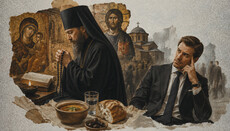




Who do we give the first fifteen minutes of the morning to?
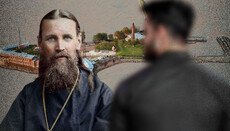
Saint John of Kronstadt described morning doomscrolling so accurately, as if he held a smartphone in his hands. Let's visit him in Kronstadt to ask: what are we doing wrong?
The alarm rings at six thirty. The hand automatically reaches for the phone on the nightstand. In the dark and curtained room, the blue light from the display hits the eyes. News feed, headline, summary. Someone's conflict. A terrible video that makes you want to close your eyes. The finger keeps scrolling anyway. Fifteen minutes pass, half an hour, sometimes an hour. We slide off the bed completely exhausted. Nothing has happened yet, we haven't even had water, but the heart is already pounding. Anxiety has settled inside. There's no room left for peace.
We are ashamed of this habit. We try to break this gadget addiction, but we relapse and start again. In desperation, we mentally open the door to Father Ioann Sergiev's dwelling and try to talk to him about what troubles us.
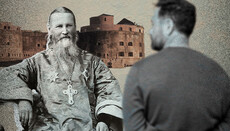
The era of paper telegraph
Why do we turn to him specifically? At the end of the 19th century, the first information overdose occurred. Penny newspapers appeared, the telegraph brought war reports and crime chronicles right to morning tea. Father John served in harsh port Kronstadt. It was a difficult city, full of convicts, poverty, and constant trouble.
He recorded in his diary what happens to a person who starts the day with a morning newspaper. Later these notes would become the book "My Life in Christ." Technologies have completely changed. Screens have replaced paper. But the essence remains the same.
Half a life
We ask directly. Father, we wake up and immediately bury ourselves in screens. In your time there were no smartphones. Fresh press was delivered regularly. Is there real danger for the soul in this?
The saint answers calmly:
"To read only newspapers and magazines means to live only with one side of the soul... or to live only by flesh."
Precisely said! We usually attribute our morning surfing the net to lost time. Well, twenty minutes went to scrolling, nothing terrible. It turns out the matter is different. We begin to live halfway. We halve our own life, cutting off its deepest part from it. We diligently feed the mind with information, leaving the heart and soul hungry.
What feeds the soul
We try to justify ourselves. We read important things. War, crises, disasters. We need to be aware of events. To empathize with others' troubles.
Father John patiently explains:
"If you read secular magazines and newspapers... then all the more and most often read the Gospel and the writings of the holy fathers, for it is sinful for a Christian, reading secular works, not to read God-inspired writings."
"All the more" means "especially." The holy pastor has no harsh prohibitions on reading news. If you follow events in the world, follow what's happening in your own soul. It's closer and dearer. No one else but ourselves feeds the soul in the morning. We load into it chronicles of others' disasters and political scandals. By lunch we sincerely wonder why everything inside is burned out and there's no strength to smile even at our own child.
The trap of cheap pleasure
We ask further. Why is scrolling the feed so easy, while morning prayers are given with difficulty? We pray and think about news. We open news and forget about prayer.
The Kronstadt pastor answers with bitterness:
"You read a secular magazine or newspaper: it reads easily and pleasantly, everything is easily believed..."
This phrase was written one hundred thirty years ago. Modern researchers would say the same thing, juggling terms about dopamine and pleasure from fresh information. There are no quick hormonal surges from prayer. There are familiar texts, silence and measured rhythm. Scrolling is fun, praying can be boring. The saint discerned this mechanism without complex instruments. He simply scrutinised his own heart very carefully and was honest with himself.
The sandy embankment of our morning
How did he himself manage to break out of this circle? Kronstadt of that time was full of darkness. This was dirt, drunkenness, disease, queues of hungry people at doors. Had he started the morning by immersing himself in these problems, his resources wouldn't have lasted long.
Father John expresses it very concisely:
"The evil one tries to scatter prayer like a mound of sand."
A very lifelike image. A sandy hill into which a stick is thrust with force. It instantly collapses, sand grains scatter. Our morning news feed works like this stick. We take it with our own hands and stick it into the quiet, still sleepy soul. And no one forces us to do this. It's just an ingrained habit.
Father John himself got up at three-four in the morning. His day began with long prayer. Then, there was a Liturgy. Only then did people come to him, bring telegrams, and pour out their troubles. First he tuned the connection with Heaven, then went out to the suffering. Had he changed this order, he would have broken down in just a couple of weeks.
The rule of first fruits
What does the old pastoral diary teach us? How should an ordinary person start their day?
The righteous priest's answer strikingly simple:
"Prayer is spiritual breathing; praying, we breathe the Holy Spirit."
The saint doesn't call for deleting all apps from the phone. He states a fact: until you've breathed with prayer, you're suffocating. Starting the day with holding your breath is extremely foolish. When we scroll the feed for half an hour and then hurriedly mumble morning prayers, we stand with empty lungs all this time. Hence the breakdowns with loved ones, fatigue and irritation from any work.
In ancient times there was an excellent tradition. They brought the very first to God. The first ears of grain, the first fruits of the new harvest. The very best and earliest were offered to Him as a sign of gratitude. This principle still holds true today. Whoever receives the first fifteen minutes after we wake up gains power over our heart until evening. If we give those minutes to the news feed, we end up with an anxious and drained day. If we give them to God, we receive vigor of spirit and the grace-filled strength for all our labors.