



Longing of hunger for eternity
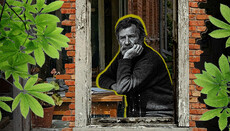
The vague suffocation amid safety and abundance was the cry of a heart created for infinity.
The apple lay in the basket of a 24-hour supermarket – glossy, perfectly shaped, red, and blemishless. We picked it up, weighed it in our hands, and put it back. It had no scent, which meant it was greenhouse-grown. This was in those years when the word "front" still meant nothing to us beyond stories from a history textbook.
Outside, the noise of a prosperous city filled the air, the houses had working heating, and the store shelves were stocked in excess. But somewhere deep inside us, something persistently ached – something we could find no name for.
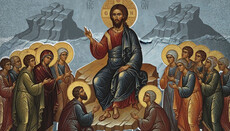
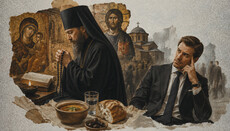
Back then we complained about the slow Internet, a cramped hotel room, an oversalted soup at a café, etc. We were reproached for it and told we had grown soft. Psychiatrist Viktor Frankl described a state that overtakes a person when the workweek ends and the bustle subsides. He called the specific anxiety and depression that overtakes a person on weekends “Sunday neurosis.” Perhaps that was precisely the feeling we experienced in the midst of abundance. The body was satisfied, but the soul languished.
Solomon built paradise and suffocated in it
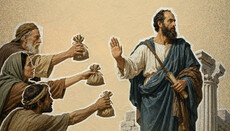
This dual state was already known in Old Testament times. Solomon, if we are to believe the Book of Ecclesiastes, built the most prosperous society of his era. In his kingdom there were wealthy houses, vineyards, gardens, servants, gold, and music. Whatever his eyes desired, he did not deny them, nor did he withhold from his heart any pleasure. And then he suddenly looked back at the splendour he had created and uttered the words that would become a leitmotif of human life for thousands of years: “It is all vanity and vexation of spirit.”
St. Augustine, reflecting on his own life of searching and spiritual wandering, stated that the human heart "is restless, until it repose in Thee."
This heart, of which the saint speaks, has no physiology. It is created for eternity, and therefore neither a five-star hotel, nor an imported apple, nor an ideal society can satisfy it.
So, perhaps our past complaints were not the call of gluttony, but an intuitive cry of the living soul, which time and again reached the ceiling of this well-fed, well-ordered world and felt: this is not its home. It is only a temporary refuge.
God is not a vengeful accountant
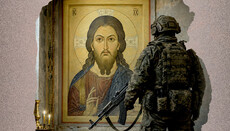
Now the wail of sirens in the streets blends with the hum of generators, creating a sorrowful atmosphere of war around us. The rolling thunder mixes with explosions from the ongoing shelling of cities. And in this state of anxiety, many are struck by a seemingly justified thought: “We are ourselves to blame for what we are experiencing today. We did not appreciate the blessings of peaceful life – warm water, steady electricity, a clear sky without missiles and drones. And so God has punished us."
To think this way is quite dangerous and wrong. God is not a vengeful accountant forcing us to settle our debts. The destruction of a comfortable paradise is not retribution for our complaints.
War is an absolute evil for which there is no justification. Anyone who attempts to inscribe war into the pedagogy of God's Providence will speak an untruth about God.
But what, then, has happened? We did not deserve this loss – we have simply been deprived of our former anesthesia. The pre-war world numbed the pain of emptiness with comfort, speed, and the accessibility of everything. It did not heal the anguish but rather deadened it. Now the painkiller has run out, and eternal truths stand exposed: the sense that life is fragile, that time is not infinite, and that beside us are living people, with their own needs, anxieties, and weaknesses.
Two checkmarks beneath the question "How are you?"
When the illusion of an earthly paradise burned away, an understanding of the scale of our tragedy returned. Stale water from a crumpled plastic bottle in a stuffy shelter now seems like salvation to us, whereas before we would have poured it down the sink with disgust. We drink this water and taste life in a way we had not noticed for years.
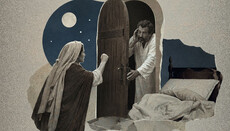
And then there is the magical effect of two colored checkmarks beneath a late-night message reading "How are you?" – confirmation that our message was delivered, that the person is alive, breathing, and still able to reply.
We look at that mark and feel a hormonal surge of gratitude unfamiliar to us in peacetime. This gratitude for life becomes more important than any bonus, any promotion at work or in service, any purchase we once dreamed of while gazing at shop windows.
We do not know whether we will be able to preserve this blessed state when peace returns to our homes. We know only that on yet another anxious night someone will write to us "How are you?", and having replied, we will wait with impatience for two colored checkmarks to appear beneath our message.